
Why Community Health Fairs Are Becoming More Popular In The United States
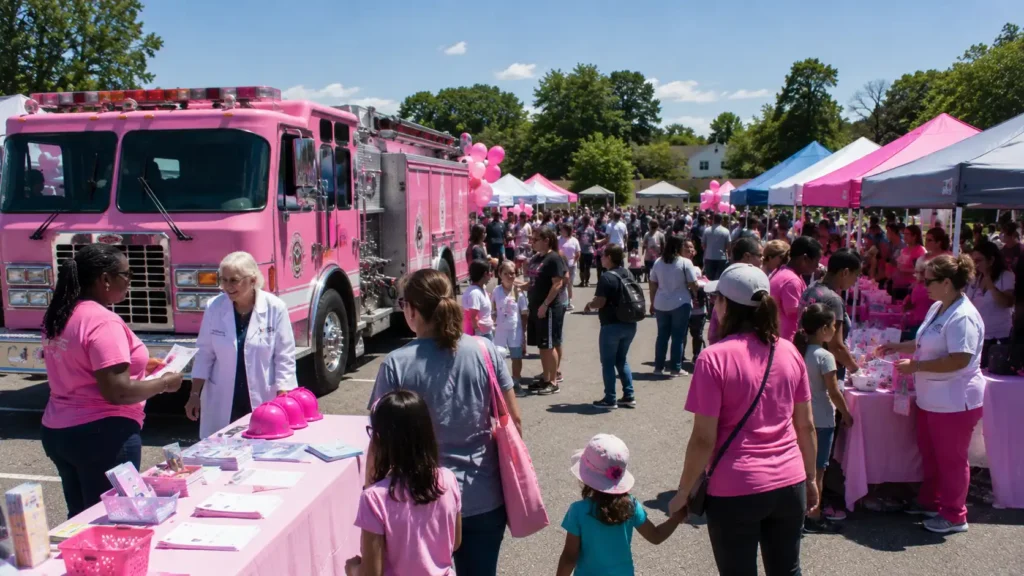
Community health fairs are becoming increasingly common throughout the United States as more communities search for accessible ways to promote wellness, preventive care, and public health education. These events bring together healthcare providers, nonprofit organizations, firefighters, local businesses, and volunteers in one location where families may learn more about available health services and wellness resources.
In many parts of America, health fairs are no longer limited to hospitals or medical facilities. Parks, schools, churches, shopping centers, and community event spaces now regularly host wellness events designed to encourage healthier lifestyles and stronger community engagement. Some fairs include mobile clinics, educational workshops, free screenings, fitness demonstrations, and public safety activities that attract visitors of all ages.
The growing popularity of these events reflects a larger shift toward community-based healthcare outreach. More organizations are focusing on bringing services directly into neighborhoods instead of expecting residents to travel long distances for information or preventive care. This approach has helped community health fairs become important parts of local wellness initiatives across the country.
What Community Health Fairs Offer To Local Residents
Community health fairs provide opportunities for people to connect with healthcare professionals and wellness organizations in relaxed public settings. Unlike traditional healthcare environments, health fairs often feel more approachable and welcoming for visitors who may not regularly schedule medical appointments or preventive screenings.
Many events include educational booths where healthcare providers discuss topics such as nutrition, exercise, mental wellness, cancer awareness, diabetes prevention, and heart health. Some organizations also offer free or low-cost screenings during these events, helping increase awareness about preventive healthcare and early detection.
Families attending health fairs may discover healthcare resources that already exist in their communities but are not always widely known. Local organizations often use these events to introduce residents to support programs, wellness services, and educational opportunities that may benefit their households.
Some health fairs also focus on creating interactive experiences. Cooking demonstrations, wellness workshops, fitness sessions, and educational presentations help make health information more engaging for attendees. These activities may encourage visitors to become more interested in healthy lifestyle habits while learning practical wellness strategies they can apply at home.
Why Preventive Healthcare Awareness Continues Growing
Preventive healthcare has become a major focus throughout the United States in recent years. Many healthcare providers continue encouraging earlier screenings, healthier habits, and regular wellness checkups to help identify health concerns before they become more serious.
Community health fairs support this goal by making wellness information easier to access in public spaces where people already gather. Instead of relying entirely on traditional healthcare settings, organizations are finding new ways to connect directly with communities through local outreach events.
Public awareness surrounding breast cancer screenings, heart health, mental wellness, and chronic disease prevention has also increased significantly. More Americans are paying attention to preventive care recommendations and looking for accessible ways to learn about healthcare resources.
Health fairs often create environments where people feel comfortable asking questions and exploring wellness information without pressure. This relaxed atmosphere may encourage more participation, especially among individuals who feel uncertain about navigating traditional healthcare systems.
In some communities, healthcare access remains limited because of transportation challenges, scheduling difficulties, or shortages of nearby medical facilities. Community outreach events may help reduce some of these barriers by bringing educational services and screenings closer to local residents.
The Growing Presence Of Pink Fire Trucks At Wellness Events
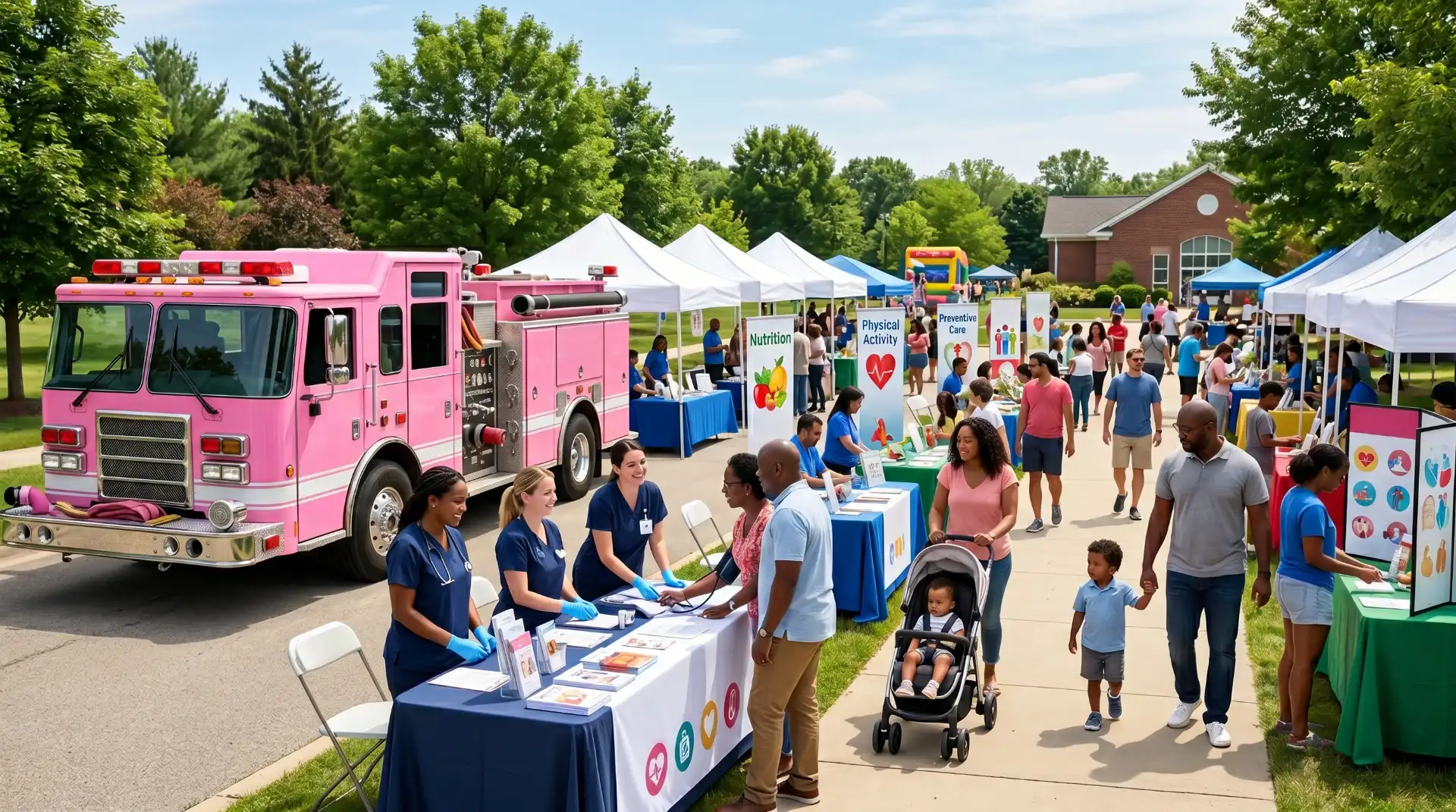
Pink fire trucks have become recognizable attractions at community health fairs throughout the United States. Their bright appearance naturally draws attention, helping organizations increase visibility for awareness campaigns connected to healthcare outreach and wellness education.
Many pink fire trucks are associated with breast cancer awareness initiatives and fundraising efforts that support healthcare organizations, survivor programs, and educational outreach campaigns. Fire departments and nonprofit organizations often bring these vehicles to public events to encourage participation and community engagement.
Families attending wellness fairs frequently stop to take photos beside pink fire trucks, creating opportunities for volunteers and healthcare workers to discuss awareness campaigns and preventive care resources. These interactions help increase public visibility while making health conversations feel more approachable and community-oriented.
Children are especially drawn to fire trucks during public events, which also creates opportunities for firefighters and volunteers to teach fire safety, emergency preparedness, and community awareness topics in family-friendly ways.
Many firefighters participating in these programs view outreach events as opportunities to strengthen relationships with local residents outside emergency response situations. Their involvement helps create supportive environments where people feel more connected to community organizations and public safety programs.
Pink fire trucks also frequently appear at fundraising walks, awareness festivals, survivor celebrations, and educational campaigns throughout the country. Their visibility continues helping healthcare outreach efforts reach larger audiences.
Mobile Healthcare Services Continue Expanding
Mobile healthcare programs have become one of the fastest-growing parts of community health fairs in America. Healthcare providers increasingly recognize that bringing services directly into neighborhoods may help increase participation in preventive care programs.
Mobile mammography clinics are among the most visible healthcare vehicles appearing at public events today. These mobile screening units help provide breast cancer screenings to women who may not regularly visit healthcare facilities because of busy schedules, transportation barriers, or limited access to local services.
Some mobile healthcare units also provide blood pressure screenings, diabetes testing, cholesterol checks, vision screenings, vaccinations, and wellness consultations. These services allow residents to access basic healthcare resources during convenient community events.
Rural communities and underserved neighborhoods may especially benefit from mobile outreach programs because nearby medical facilities are not always easily accessible. Healthcare organizations continue expanding mobile services to reach populations that might otherwise delay preventive screenings or wellness visits.
Technology improvements have also made mobile healthcare services more advanced than in previous years. Many modern mobile clinics now include high-quality medical equipment capable of delivering services similar to those offered in traditional healthcare facilities.
As healthcare outreach continues evolving, mobile wellness programs are expected to remain major parts of community health fairs across the United States.
Local Organizations And Businesses Play Important Roles
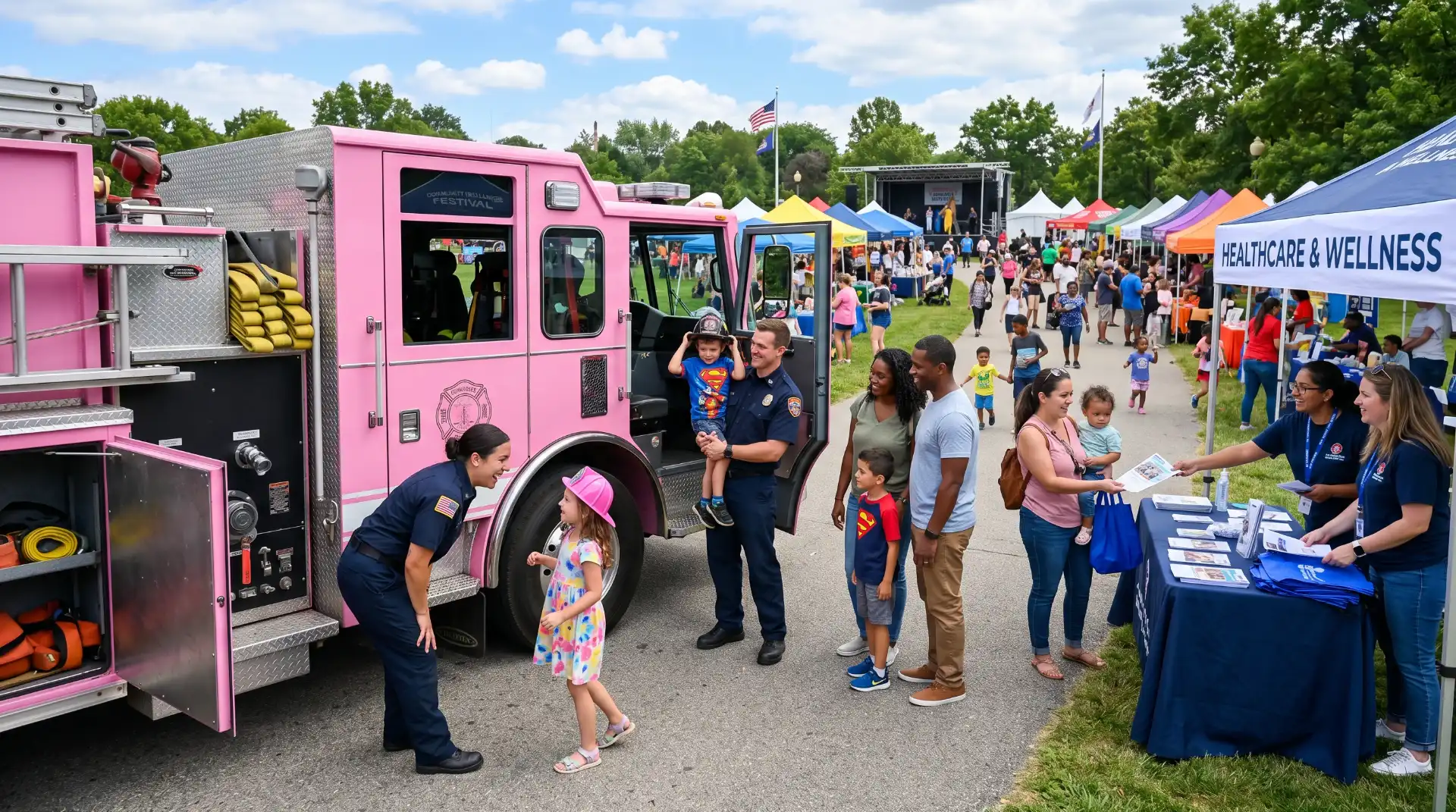
Community health fairs depend heavily on partnerships between healthcare providers, nonprofit organizations, businesses, schools, churches, and volunteers. These partnerships help events grow larger and reach broader audiences throughout local communities.
Many businesses sponsor wellness events by donating supplies, funding activities, or helping promote public outreach campaigns. Restaurants, gyms, healthcare clinics, retailers, and local service providers often participate in community fairs because they recognize the value of supporting local wellness initiatives.
Schools and churches are also common event partners because they already serve as gathering places for families and community activities. Hosting wellness events at familiar locations may encourage stronger public participation and help create welcoming environments for visitors.
Some organizations organize family activities such as fitness demonstrations, wellness games, educational workshops, and healthy cooking presentations during health fairs. These interactive experiences help attract larger audiences while making healthcare education more engaging for attendees.
Volunteer participation also remains essential to the success of many wellness events. Community volunteers frequently assist with event coordination, educational booths, fundraising activities, and outreach programs designed to increase public awareness.
As collaboration between organizations continues growing, community health fairs are becoming larger and more visible throughout the country.
Social Media Has Increased Awareness And Attendance
Social media continues playing a major role in the growth of community health fairs across America. Organizations now use digital platforms such as Facebook, Instagram, TikTok, and YouTube to promote events, share wellness information, and connect with larger audiences.
Photos and videos featuring pink fire trucks, mobile clinics, educational booths, and community activities often attract strong online engagement. These posts help spread awareness while encouraging more people to attend future events.
Healthcare providers and nonprofit organizations also use social media to share preventive care tips, event schedules, wellness resources, and educational videos connected to public health topics. Digital communication has made it easier for organizations to reach families who may not otherwise learn about local wellness events.
Community members attending health fairs frequently share their own photos and experiences online as well. This user-generated content often helps increase visibility while creating stronger connections between local organizations and residents.
Social media also supports fundraising efforts connected to awareness campaigns and healthcare outreach programs. Online promotion may help attract sponsors, volunteers, and additional community participation.
As digital communication continues evolving, social media remains one of the biggest reasons community wellness events continue expanding throughout the United States.
Why Family Friendly Wellness Events Continue Attracting Large Crowds
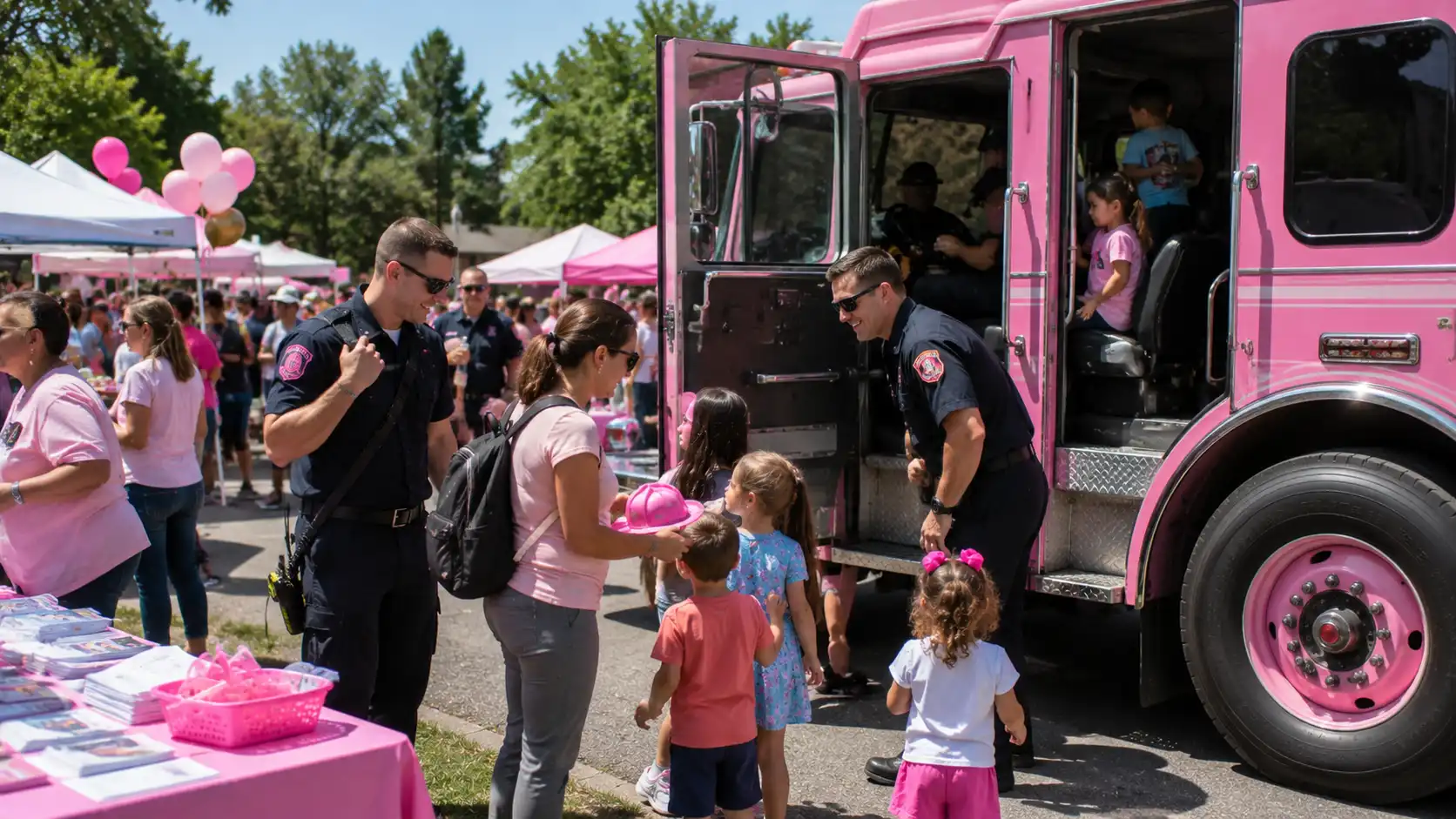
One reason community health fairs continue becoming more popular is their ability to combine healthcare education with family-friendly entertainment and activities. Organizers increasingly understand that people are more likely to attend events that feel welcoming, interactive, and enjoyable for all age groups.
Children’s activity areas, live demonstrations, music performances, wellness games, food vendors, and educational exhibits help create environments that encourage families to spend more time at events. Parents often appreciate opportunities to learn about healthcare resources while participating in activities their children enjoy.
Fire trucks, especially pink fire trucks, continue serving as major attractions during public events because they create memorable experiences for children and families alike. These experiences often help strengthen positive connections between residents and community outreach organizations.
Some wellness events also include fitness challenges, community walks, dance classes, or sports activities designed to promote healthy lifestyles in engaging ways. These activities help make preventive healthcare education feel less intimidating and more approachable for visitors.
The combination of education, entertainment, and community support continues making health fairs highly appealing across many parts of America.
The Future Of Community Health Fairs In America
Community health fairs are expected to remain important parts of healthcare outreach throughout the United States as organizations continue focusing on preventive wellness and community engagement.
Healthcare systems increasingly recognize the value of local outreach programs that help connect residents with educational materials, screenings, and support services outside traditional clinical settings. Community-based healthcare continues becoming a major priority for many organizations seeking stronger public participation.
Mobile healthcare services, awareness campaigns, and digital outreach strategies are all expected to continue growing in the coming years. Pink fire trucks, survivor events, wellness fairs, and educational programs are also likely to remain highly visible parts of community engagement efforts nationwide.
As more Americans continue paying attention to preventive healthcare and wellness education, community health fairs may continue serving as valuable opportunities for families to access resources, support programs, and public health information close to home.
Final Thoughts
Community health fairs are becoming more popular throughout the United States because they create accessible and welcoming spaces where families may connect with healthcare providers, wellness organizations, and educational resources.
These events help increase awareness surrounding preventive care, screenings, healthy lifestyles, and local healthcare services while encouraging stronger community participation. Firefighters, healthcare workers, volunteers, nonprofits, and businesses all contribute to making wellness outreach programs successful.
Pink fire trucks continue serving as recognizable symbols of awareness and community support during many public events across America. Their visibility helps attract attention while encouraging conversations about wellness, healthcare outreach, and preventive care education.
As healthcare outreach programs continue evolving nationwide, community health fairs are expected to remain valuable parts of public wellness efforts for years to come.