
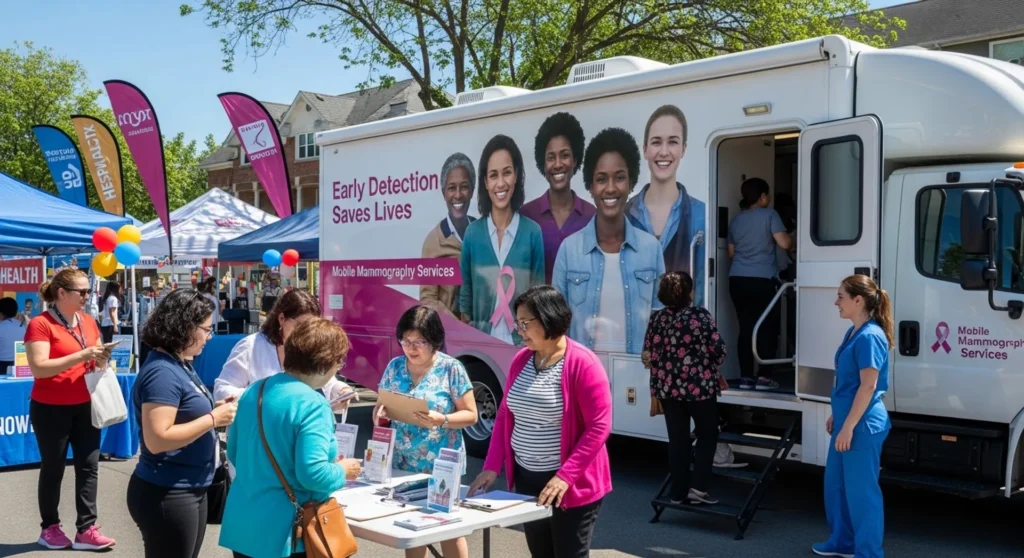
Breast cancer awareness has always depended on more than words. It needs action, access, and a visible presence in the community. In 2026, one of the biggest trends shaping breast cancer outreach is the growing focus on mobile mammography community screening. Instead of waiting for people to find care on their own, more programs are bringing screening services directly to neighborhoods, public events, workplaces, schools, and community gathering spaces.
That shift matters because awareness alone is not enough. Many people know that screening matters, yet they still face barriers that delay care. Cost concerns, transportation issues, scheduling conflicts, fear, and lack of local access can all get in the way. Mobile screening programs help reduce those barriers by meeting people where they are. They make early detection feel more accessible, less intimidating, and more connected to everyday life.
For a platform like Pink Fire Truck, this topic is a natural fit. The site already highlights awareness, community outreach, first responders, and the power of visible public engagement. A pink fire truck is more than a vehicle. It is a symbol that draws attention, starts conversations, and encourages people to take a closer look at their health and their role in supporting others. In that sense, the rise of mobile mammography community screening reflects the same core idea: outreach works best when it is visible, welcoming, and rooted in the community.
Why Mobile Mammography Community Screening Is Gaining More Attention
Community-based cancer outreach is not a new idea, but its importance has become clearer in recent years. Health organizations now understand that many people do not miss screening because they do not care. They miss it because real-life obstacles make it harder than it should be. That is why mobile mammography has become such an important outreach model.
How local access changes the way people respond to screening
When screening is brought into a familiar setting, people often feel more comfortable taking the next step. A mobile unit parked at a school, public event, church lot, health fair, or community center can make the process feel less distant. It turns screening into something visible and approachable.
Convenience removes some of the biggest barriers
One major challenge in breast cancer prevention is simple access. Some people live far from imaging centers. Others cannot easily take time off work. Some have childcare issues, transportation problems, or packed schedules. Mobile mammography community screening helps by making care easier to reach.
That convenience matters because delays can grow quickly. A person who means to schedule a mammogram next month may keep postponing it. Then another month passes. Then another. A mobile event in the community can turn intention into action. It creates a timely opportunity that feels easier to act on right away.
Visible outreach creates stronger awareness
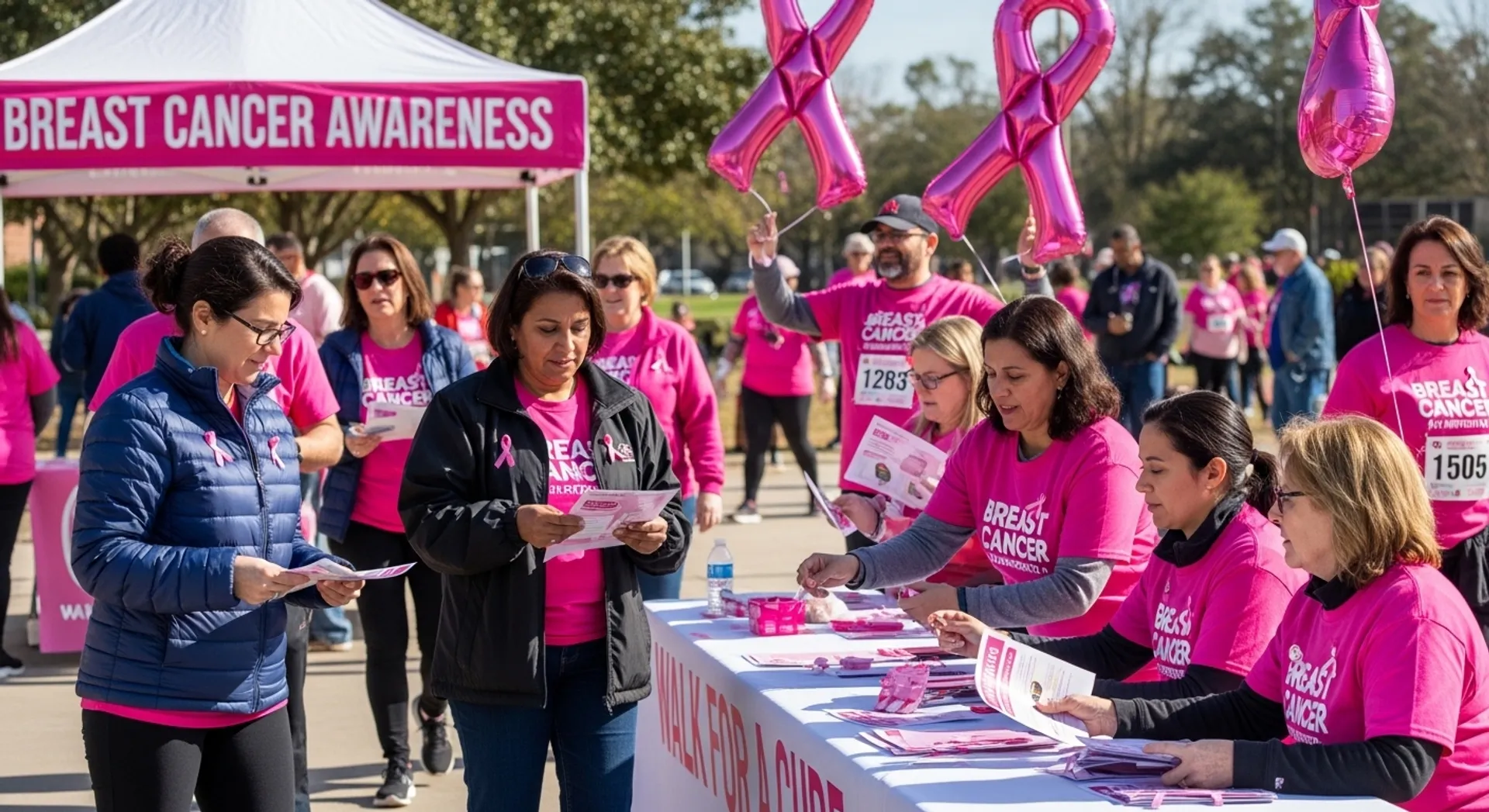
Community screening events do more than provide appointments. They also increase visibility. When people see a mobile unit or a high-profile awareness vehicle at an event, it sparks conversations. Someone who was not planning to ask questions may start asking. Someone who had put off screening may reconsider. Someone supporting a loved one may learn how to help.
This is one reason the Pink Fire Truck model has such a strong emotional and public impact. It turns awareness into something people can see and remember. That same kind of visibility can support health action. It also connects well with your existing content such as the Pink Fire Truck blog and related awareness and outreach posts.
Community-based outreach also works because it feels human. Hospital systems can seem distant to some people. Community events feel different. They invite conversation, education, and trust. That trust matters when people are making decisions about screening, follow-up care, or asking questions they have delayed for too long.
Pink Fire Truck’s own content already leans into this community-first message. Readers who connect with this topic may also be interested in the organization’s outreach mission and in stories that show how public service and breast cancer awareness can work together in visible ways.
Why this message resonates with first responders and community leaders
First responders often serve as trusted public figures. Communities look to them for safety, leadership, and support. When they participate in awareness work, it sends a powerful message. It shows that cancer awareness is not separate from community well-being. It is part of it.
This is especially true when awareness efforts are tied to recognizable symbols. A pink fire truck, a mobile screening unit, or a local health event can create a memorable connection between public service and prevention. That connection encourages people to take screening seriously without making the message feel cold or clinical.
This theme fits naturally with your post on How Pink Fire Truck Inspires the Next Generation of Women Firefighters. It also pairs well with What It Takes to Become a Female Firefighter: A Comprehensive Guide, since both topics highlight leadership, visibility, and service.
How Community Screening Events Build Real Support Beyond Awareness
Strong awareness campaigns do more than attract attention. They help people move from awareness to action. That is what makes mobile mammography community screening so valuable. It does not stop at messaging. It gives people a direct path toward early detection.
What makes community screening events more effective
The best screening events are not only convenient. They are also thoughtful, welcoming, and educational. They reduce fear by making the process clearer. They support participation by sharing reliable information. They often connect people to follow-up care and additional resources.
Education and screening work better together
Many people still delay screening because they feel uncertain. They may worry about the test, the cost, the results, or what happens next. Events that combine education with mobile access can help reduce that uncertainty. When people hear clear information in a supportive environment, they are often more willing to act.
That is where awareness vehicles, volunteers, and community advocates play an important role. They create the atmosphere around the event. They welcome people. They share stories. They answer simple questions. They make the day feel less intimidating and more empowering.
This also connects well with Pink Fire Truck’s focus on education and positivity. Readers looking for related content may benefit from browsing posts featured on the site about awareness, community support, and the role of public engagement in health messaging.
Events can create lasting ripple effects
A successful community screening event often reaches beyond the people who attend. One person may schedule screening because a friend encouraged them. Another may attend because they saw photos from a local event online. A survivor may feel inspired to share their story. A volunteer may decide to get more involved in outreach work.
These ripple effects matter because health action often spreads through relationships. People trust people they know. A visible screening effort can start one conversation that leads to several more. That is how public awareness turns into real community momentum.
That same ripple effect is one reason the Pink Fire Truck story continues to resonate. Even as the site now serves as an archive of past efforts, its content still reflects how a visible symbol can unite people around hope, support, and education. That public-facing style of outreach remains highly relevant in today’s screening conversations.
Community screening efforts also remind people that early detection is not only a medical issue. It is a community issue. Families, employers, schools, volunteers, first responders, and local leaders all shape whether people feel informed, supported, and able to act.
Why this is a strong long-term topic for Pink Fire Truck
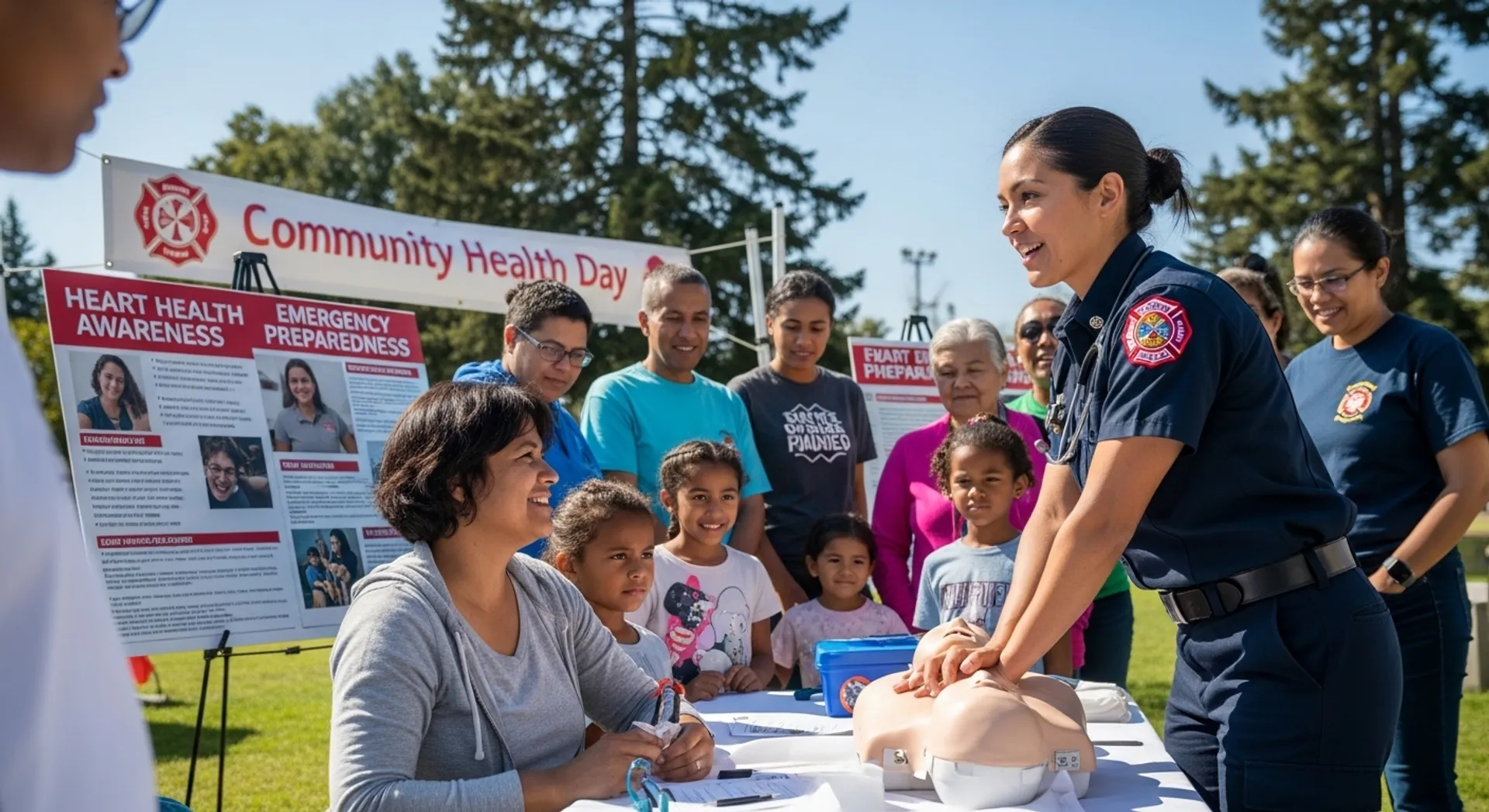
This topic gives your site a timely angle without drifting away from your core theme. It stays close to breast cancer awareness, community education, support systems, and visible outreach. It also gives you room for future related articles. You could build on it with posts about survivor stories, first responder partnerships, awareness event planning, volunteer roles, or how symbolic vehicles help communities remember important causes.
It also supports internal linking well. This article can naturally connect to awareness-focused content, women firefighter stories, volunteerism, and broader mission pages. That helps strengthen site structure while keeping readers engaged with related topics.
For an external authority source, the American Cancer Society is a strong reference for breast cancer prevalence and the ongoing importance of early detection. If you want a second authority source in future posts, CDC screening and outreach resources are also highly relevant.
The bottom line is simple. Mobile mammography community screening matters because it turns awareness into access. It helps people move from knowing they should get screened to actually doing it. That is where lives can change. For a mission-driven site like Pink Fire Truck, this topic is timely, relevant, and deeply aligned with the larger message that visible outreach, strong communities, and compassionate action still matter.